info@zinavo.com
 +91-77602 45945

Introduction
Imagine a platform where your marketing message reaches people who are actively asking questions, looking for solutions and ready to decide. That’s the promise of ChatGPT advertising a conversation-based channel that could rewrite digital advertising rules. OpenAI is already considering monetizing its free user base, according to this blog.
We will explore what we currently know, what we can reasonably expect and how your business should prepare to take advantage of this new channel.
A few key points to consider
- OpenAI is exploring advertising options inside ChatGPT for its non-paying users, which could unlock a large new ad inventory.
- Ad formats may diverge from traditional display or search ads: think sponsored responses, context-driven recommendations or native brand mentions.
- Marketers should begin prepping now by building authority, producing relevant content and structuring data in ways conversational AI can use.
How Do ChatGPT Ads Work?
OpenAI has confirmed that it is currently exploring advertising opportunities within ChatGPT, primarily to monetize its massive free user base. ChatGPT provides answers, recommendations and solutions to over 100 million people every month.
ChatGPT ads will be more conversational, contextual and helpful than traditional ads that interrupt the user experience. Think of them as sponsored answers or brand suggestions integrated naturally into responses. For example, if a user asks, What’s the best CRM for small businesses?, ChatGPT might display a sponsored response highlighting a paid brand recommendation.
OpenAI’s goal seems clear to create a non-intrusive ad experience where marketing blends seamlessly with conversation. Marketers could soon target users based on intent, topic or query context rather than demographics alone.
This potential shift could redefine digital marketing, making AI-driven conversational advertising the next big frontier for brand visibility and lead generation.
What Might ChatGPT Ads Look Like?
Since we don’t have a formal product release yet, we can make educated guesses based on current signals and market analogues:
- Sponsored Responses: Imagine asking a question and receiving an answer at the top marked as a sponsored recommendation. For example: What’s the best email marketing tool for small businesses? and you see a brand-endorsed answer ahead of organic content.
- Native Brand Mentions: ChatGPT might naturally mention a brand or product in the body of its answer as part of “best practice”, but behind that mention is a paid placement.
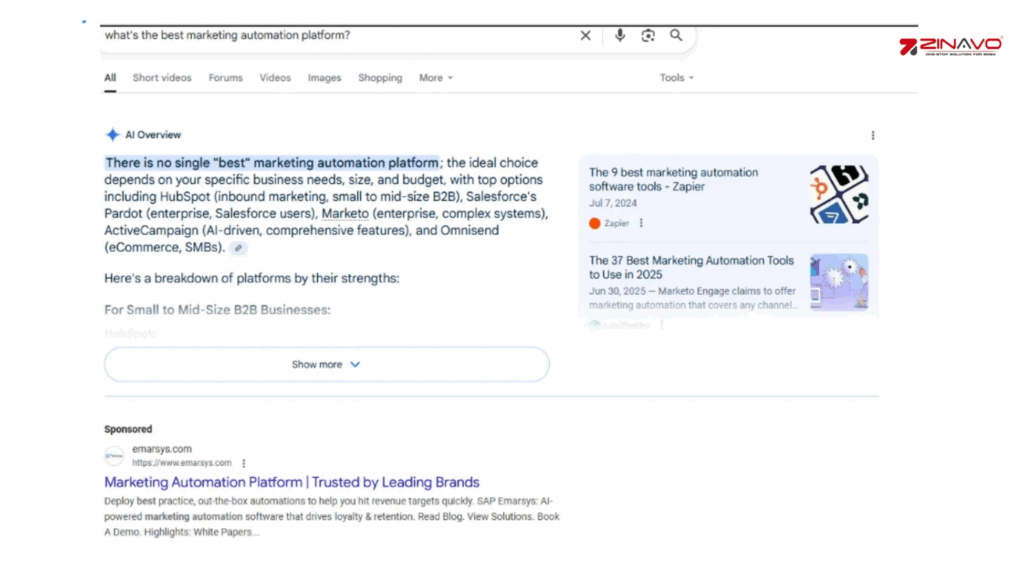
- Contextual Recommendations: The ad might appear within the conversational flow, tied to your query context rather than in a separate ad block. For example, if you are looking for cloud storage for teams, I recommend Brand X (sponsored).
- Targeting Levers: Knowing how ChatGPT works, targeting may factor in:
- The question intent (what the user is asking)
- The conversation context (previous queries)
- Possibly user behavior patterns (topics they often discuss)
- Pricing Models: Similar to other platforms but with an AI twist:
- CPC (cost per click)
- CPE (cost per engagement)
- Subscription models (guaranteed mention)
- Performance-based pricing (leads or conversions)
What ChatGPT Ads Mean for the Paid Media Landscape
It’s not just another ad platform, it could fundamentally change how advertisers approach paid media:
The Intent Advantage
The nature of ChatGPT queries is typically high-intent, conversational and problem-solving, so ads here may be more relevant and convert better than traditional banner ads.
Budget Reallocation
This channel has emerged as a result of:
- Some search budget might shift from traditional search engines (e.g., Google Search) to ChatGPT-style interfaces.
- Social and display budgets may also be challenged as conversational AI becomes a preferred source for answers.
- Advertisers who are first‐movers may gain advantage before the auction fills up.
Competitive Response
ChatGPT’s ad offerings will be in competition with their own conversational AI platforms. Additionally, these companies might invest heavily in acquiring AI startups or enhancing their existing AI capabilities to maintain a competitive edge. We could also see strategic partnerships forming between major players and AI developers to accelerate AI-driven advertising integration.
- Google integrates ads into its artificial intelligence-driven “AI Overview” results.
- Microsoft, Meta and others are likely to follow or accelerate their own AI ad channels.
- This means ChatGPT advertising could trigger a broader arms-race in AI-driven ad formats.
Impact on Content Marketing
ChatGPT may lose organic content if it cites few sources due to sponsored placements.
- Traditional SEO and content-creation strategies may need rethinking.
- Brands will need to establish authority, trust and inclusion in the datasets AI draws on.
The best hosts actively protect your site, not just keep it operating.
Is ChatGPT Advertising Right For Your Business?
It is important to consider your business type, goals and target audience before jumping in:
Who Might Benefit Most?
- SaaS / B2B tools solving clear, high‐intent problems (e.g., best project management for remote teams).
- E-commerce or niche retailers with considered purchases (electronics, fitness equipment, etc.).
- Service professionals (marketing agencies, education, certifications) whose prospects are asking questions.
- Brands with tech-savvy audiences comfortable with AI-driven interfaces.
Who Might Not Be Ready Yet?
- Brands selling impulse purchases, cheap items or emotional buys where an AI answer might not suffice.
- Industries with older or less digitally engaged audiences who may not yet use ChatGPT or similar tools as a decision point.
- Advertisers with extremely tight budgets; early ad channels often command higher CPMs until scale normalizes.
Budget & Risk Considerations
- Start small: Test budgets as this is a nascent channel.
- The efficiency of early adopters may be compromised as they pay more for less certainty.
- Use it with your existing channels rather than immediately reallocating large portions of your budget.
How You Can Prepare for Ads on ChatGPT
Even before official ad units launch, you can position your brand to win when the channel opens.
Here’s a strategic playbook.
- Map Customer Questions & Intent
- Use tools like AnswerThePublic, Google’s “People Also Ask” and your customer support logs.
- Identify real questions your audience asks that could become ChatGPT queries.
- Become a Trusted Source (Organic SEO & Beyond)
- Publish high-quality content that answers these questions clearly.
- Build backlinks, references and authority so AI models reference you.
- Use schema markup, FAQs and structured data to make your content machine-readable.
- Optimize for AI Inclusion
- Use conversational headings and question formats: Which CRM is best for remote teams?
- Break content into scannable sections and include comparison tables, how-to steps and clear takeaways.
- Use trust signals: expert quotes, stats and case studies. These indicators help AI assess authority.
- Explore Mid-Funnel Tools & Features
- Consider incorporating quizzes, calculators or recommendation widgets — these can be picked up by AI as valuable.
- Example: Which project management tool fits your team size? The quiz could help drive engagement and AI reference value.
- Track & Measure AI-Driven Performance
- Use UTM parameters or ask users How did you find us? to identify traffic from AI-driven sources.
- Analyze user behavior — AI-derived visitors may behave differently (e.g., less site navigation, faster conversions).
- Prepare your conversion funnel for “instant decision” visitors who skip intermediate steps.
Avoid These Common Mistakes
- Chasing clicks over conversions: Being seen by ChatGPT users doesn’t mean anything if they don’t convert. It’s not just about visibility, it’s about outcomes.
- Assuming traditional SEO tactics alone will win: Yes, many fundamentals apply but AI-driven channels demand additional structural and trust-based signals.
- Ignoring the off-site ecosystem: Artificial intelligence platforms may pull from YouTube, Reddit, expert round-ups and affiliate lists if you’re not there.
- Waiting too long: Early preparation gives you first-mover advantage. The sooner you begin aligning your content, the better your position when ad inventory opens.
Conclusion
Despite the fact that official advertising units have not yet been launched within ChatGPT, the direction is clear: Conversational AI is poised to become a major player in digital advertising. Providing meaningful alternatives to traditional search and social ads, the channel will be able to cater to users who have high-intent questions and are expecting direct answers.
Companies who prepare now by mapping user questions, building authority, optimizing the content structure and exploring mid-funnel tools will be better placed when the opportunity goes live. Brands willing to adapt could see a major shift in paid media in the coming years.