info@zinavo.com
 +91-77602 45945

Introduction
A website plays a vital role in communication, commerce, education and public services in today’s digital world. Web usage varies from person to person. The inaccessibility of websites can make online services inaccessible to millions of people with visual, auditory, motor or learning disabilities. The purpose of web accessibility guidelines is to address this issue. Incorporating established accessibility standards can help businesses and organizations create inclusive websites that are accessible to everyone, regardless of ability.
What Is Web Accessibility?
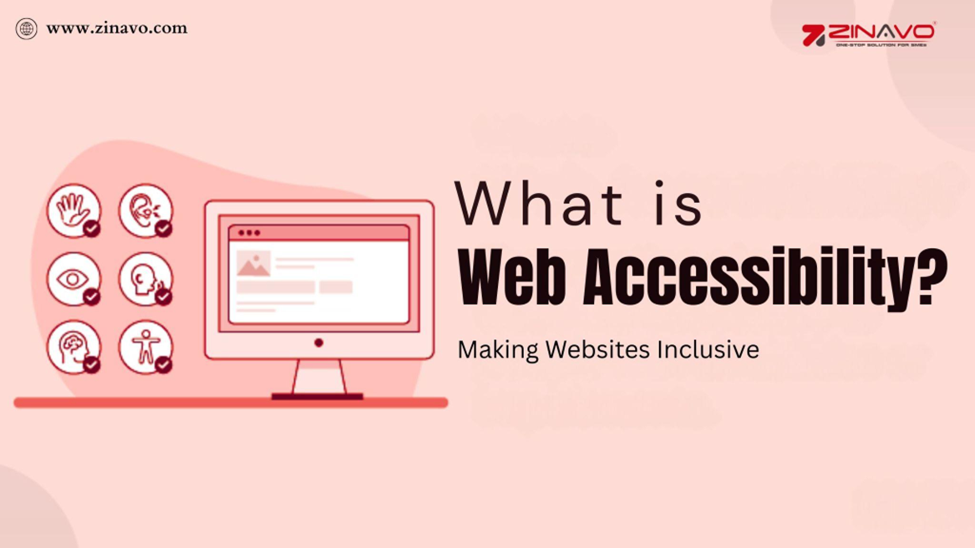
Web accessibility refers to the practice of designing and developing websites so that people with disabilities can perceive, understand, navigate and interact with online content. Accessibility also benefits users with temporary impairments, older users and people using different devices or slow internet connections. Making a website accessible goes beyond technical requirements to promote equality and equal access for everyone.
Why Web Accessibility Matters
Accessibility is critical for several reasons beyond ethical responsibility. The first purpose is to ensure equal access to information and services. The second reason is that many countries have legal requirements that require accessible digital experiences. The third benefit is that accessible websites are often better ranked by search engines and offer an improved user experience to all of their visitors.
Web accessibility has the following key benefits:
- Reaching a wider audience, including users with disabilities
- Improved usability for all users
- Better SEO performance and search visibility
- Reduced legal and compliance risks
- Stronger brand reputation and trust
Understanding WCAG: Web Content Accessibility Guidelines
Internationally recognized Web Content Accessibility Guidelines (WCAG) are developed by the World Wide Web Consortium (W3C). WCAG provides clear recommendations on how to make web content more accessible. These guidelines are organized around four core principles, often called POUR.
1. Observable
Content must be presented in a way that users can understand. This means information should not be based on a single sense like sight or hearing.
Example Includes:
- Providing alternative text for images
- Adding captions and transcripts for videos
- Ensuring sufficient color contrast between text and background
- Making content adaptable for screen readers and zoom tools
2. Easily accessible
Users must be able to operate the interface and navigate the website easily.
Key practices include:
- Making all functionality accessible via keyboard
- Providing enough time to read and interact with content
- Avoiding flashing elements that may cause seizures
- Offering clear navigation and focus indicators
3. Understandable
Content and interface behavior should be easy to understand.
This Involves:
- Using clear and simple language
- Keeping navigation consistent across pages
- Providing helpful error messages and form instructions
- Ensuring predictable website behavior
4. Robust
Content must be robust enough to work across different browsers, devices, and assistive technologies.
This Includes:
- Writing clean, semantic HTML
- Ensuring compatibility with screen readers and assistive tools
- Testing across platforms and devices
Accessibility Levels in WCAG
WCAG defines three levels of compliance:
- Level A: Basic accessibility features
- Level AA: Recommended standard for most websites and legal compliance
- Level AAA: Highest level of accessibility, often difficult to achieve fully
The WCAG 2.1 and 2.2 Level AA standards give organizations a balance between accessibility and practicality.
Common Web Accessibility Best Practices
Implementing accessibility does not require reinventing your website. Small, consistent improvements can make a big difference.
Some essential best practices include:
- Use proper heading structure (H1, H2, H3) for content hierarchy
- Add descriptive alt text to images and icons
- Ensure forms have labels, instructions, and error feedback
- Make buttons and links clearly identifiable
- Avoid relying only on color to convey information
- Ensure readable font sizes and responsive layouts
Accessibility and Disability Technologies
People with disabilities often rely on assistive technologies such as screen readers, voice recognition software, magnifying screens and alternative input devices. Accessible websites are built to work seamlessly with these tools. Proper semantic markup, ARIA labels and logical content flow help user-assist technologies interpret web content correctly.
Web Accessibility and SEO
Web accessibility and SEO go hand in hand. Search engines favor well-structured, easy-to-navigate and user-friendly websites. Features like alt text, clean HTML, descriptive links and fast-loading pages improve accessibility and search rankings. Businesses can enhance visibility while improving user experience by following accessibility guidelines.
Legal and Compliance Considerations
Many countries enforce accessibility laws for digital platforms. Non-compliance can result in legal penalties, lawsuits and reputational damage. Adhering to WCAG standards helps organizations stay compliant with regulations and demonstrates social responsibility.
How to Start Making Your Website Accessible
Improving accessibility is an ongoing process rather than a one-time task. Start by auditing your website using accessibility testing tools and manual reviews. Fix high-impact issues first, then integrate accessibility into your design and development workflow. Training teams and conducting regular audits ensure long-term compliance and inclusivity.
Conclusion
Web accessibility guidelines are essential for creating inclusive, user-friendly, and future-ready websites. Businesses can improve usability, SEO performance, and brand credibility by following WCAG standards and accessibility best practices. Making websites accessible is not just about compliance. It is about building a digital world where everyone belongs. Investing in accessibility today leads to a more inclusive and successful online presence tomorrow.