info@zinavo.com
 +91-77602 45945


SEO Keyword Rankings: Choosing the Right Terms to Rank #1 on Google
Introduction
Ranking high in a search engine result nowadays isn’t just a matter of luck, it’s also a matter of strategy. Selecting the right keywords that match user intent, your business goals, and your competition is one of the best ways to improve your visibility on Google.
Our guide provides a step-by-step breakdown of how to choose and implement the best SEO keywords for your business so that you can rank at the top of Google’s search engine results page (SERP).
Whether you’re running an e-commerce store, a local service business, or a content-driven blog, this blog will help you understand the fundamentals of keyword research and optimization. We offer professional SEO services customized to meet your brand’s needs if you need expert assistance.
Why Keywords Matter in SEO
Keywords are the foundation of any successful search engine optimization campaign. They act as a bridge between what users search for and your content.
If you’re targeting the wrong keywords, no matter how great your content is you’ll struggle to rank and miss out on valuable traffic.
For example:
- If you run an online shoe store, targeting “shoes” might be too broad and competitive.
- Instead, targeting “best running shoes for flat feet 2025” gives you a better chance of reaching a specific audience and ranking higher.

Step 1: Understand Your Business Goals and Audience
Before diving into keyword research, define what you want to achieve:
- Are you trying to generate leads?
- Increase sales or conversions?
- Build brand awareness?
Also, identify your audience:
- What problems do they face?
- What language do they use when searching online?
- Which platforms do they frequent?
- Who is your target audience?
Zinavo begins every SEO campaign by developing client goals and audience personas to ensure keyword targeting adheres to real user intent.
Understanding your audience helps you choose keywords that match their search intent, whether it’s informational, navigational, transactional, or commercial.
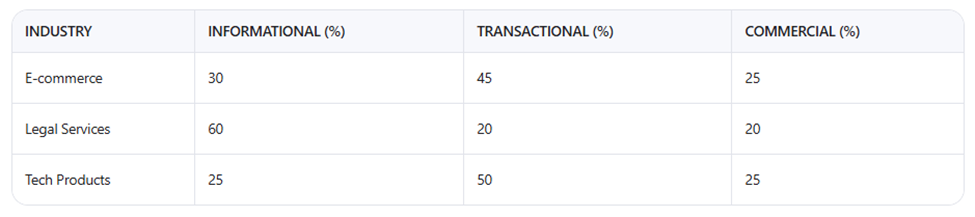
For instance, if you’re promoting a digital marketing course, your audience may look for terms like:
- “how to learn digital marketing from scratch”
- “best digital marketing courses 2025”
This information shapes your content and improves your ranking chances.

Step 2: Start with Seed Keywords
Seed keywords are short, broad terms that are related to your niche. These act as a starting point for deep research.
Examples:
- “digital marketing”
- “SEO tools”
- “web design company”
Use these seed keywords to expand your list using tools like:
- Google Keyword Planner
- Ahrefs
- SEMrush
- Ubersuggest
Once you have generated hundreds of related phrases, refine them according to their relevance and competition.
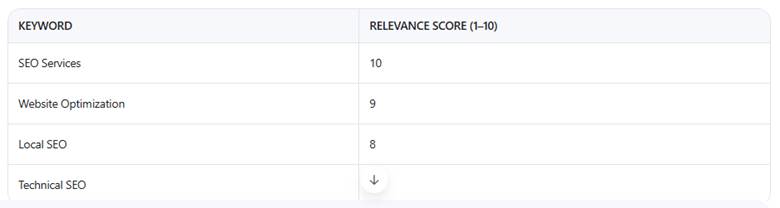
Result: A flowchart showing how seed keywords lead to more targeted keyword opportunities.
Step 3: Analyze Search Intent
Keywords have different meanings. Depending on what the user seeks to accomplish, the same phrase can have different meanings.
Here are the four main types of search intent:
- Informational : “What is SEO?”
- Navigational : “Facebook login”
- Transactional : “Buy SEO services online”
- Commercial : “Best SEO agency in India”
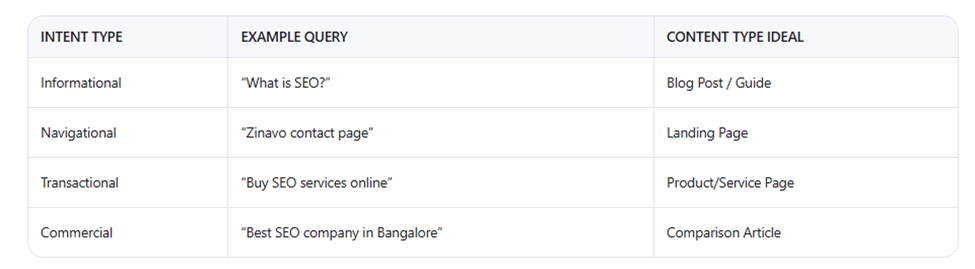
Targeting the right intent ensures your content meets user expectations, improving engagement and conversion rates.
Result: Compare SERP results for two similar keywords with different intents.
Step 4: Conduct Competitor Keyword Analysis
You have competitors who rank highly for some of the most competitive keywords in your niche. It is possible to discover hidden opportunities by analyzing them.
Tools like Ahrefs or SEMrush allow you to:
- See which keywords bring traffic to your competitors
- Identify the gaps in your own content
- Discover trending topics in your industry
Example:
If a competitor ranks highly for “SEO tips for beginners,” create even better content around that topic with updated insights and visuals.
Step 5: Focus on Long-Tail Keywords
It is possible to create long-tail keywords if the phrase is longer and more specific and the user is closer to making a decision.
For example:
- Short-tail: “SEO”
- Long-tail: “best SEO services in Bangalore”
Benefits of long-tail keywords:
- Lower competition
- Higher conversion rate
- Clearer search intent

Result:
“Short-Tail vs Long-Tail Keyword Difficulty & Conversion Rate”
Step 6: Evaluate Keyword Metrics
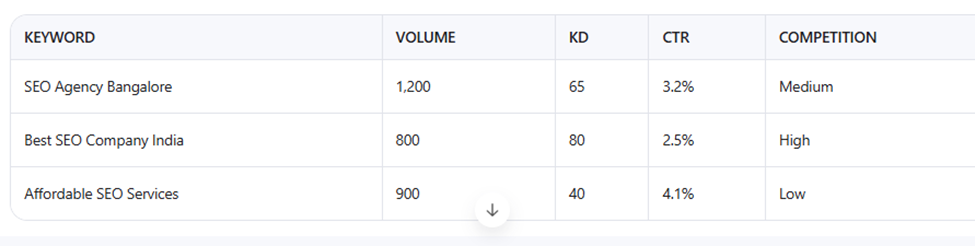
When selecting keywords, don’t just go for high-volume terms. Look at:
- Search Volume : How many people search for this term monthly?
- Keyword Difficulty (KD) : How hard is it to rank for this keyword?
- Click-Through Rate (CTR) : Will users click your result if you rank?
- Relevance : Does the keyword align with your business?
Prioritize keywords with a balance of volume, low KD, and strong relevance.
Step 7: Optimize Content Around Chosen Keywords
Once you’ve selected your keywords, it’s time to optimize your content effectively.
On-Page Optimization Tips:
- Include your primary keyword in the title tag and meta description
- Use heading tags (H1, H2, H3) to structure your content
- Avoid stuffing keywords into your writing
- Add internal links and image alt text with descriptive keywords
Example:
<title>Beginner’s Guide to SEO | Zinavo</title>
<meta name=”description” content=”Learn the basics of SEO and improve your website’s visibility with Zinavo’s expert strategies.”>
Step 8: Monitor Performance and Adjust Strategy
Ranking doesn’t end once your content is published. Regularly monitor performance using:
- Google Analytics
- Google Search Console
- Ahrefs or SEMrush
Track:
- Organic traffic
- Bounce rate
- Time on page
- Ranking improvements
Update old content, tweak meta tags, and refresh outdated information to maintain relevance.
Step 9: Build Authority with Backlinks
Google continues to place a high value on backlinks as a ranking factor. Backlinks are essential to SEO because they indicate to search engines that your content is valuable. Create shareable content and establish relationships with influencers in your niche to acquire high-quality backlinks from reputable sites.
Ways to build quality backlinks:
- Create shareable infographics or reports
- Guest post on industry blogs
- Get listed in local directories
- Collaborate with influencers
Zinavo specializes in building clean, authoritative backlink profiles that drive sustainable growth and boost rankings.
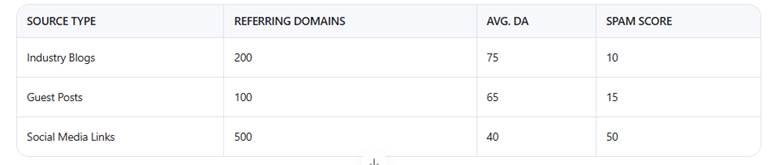
Result : Flowchart showing how backlinks and influence domain authority and rankings.
Step 10: Refine and Scale
SEO is a continuous process. Once you have succeeded with your initial keywords, look for
- Related topics and sub-topics
- Expanding into new regions or languages
- Optimize old content for better performance
Use data-driven decisions to refine your approach and scale your efforts across your website.
Bonus: Quick Checklist for Keyword Selection
- Define your business goals
- Understand your audience
- Generate seed keywords
- Research long-tail variations
- Analyze competitor keywords
- Check search intent
- Evaluate keyword metrics
- Optimize content and pages
- Track performance regularly
- Build quality backlinks
Conclusion
Choosing the right keywords for SEO is not a guessing game. It’s a process of research, strategy and continuous learning. Every step plays a role in achieving top rankings on Google, from understanding your audience to analyzing competitors.
Zinavo offers customized SEO services that turn data into results if you want expert support along the way. Our team of experts can assist you with keyword research, content creation, or technical audits.
Get your website optimized today with Zinavo and reach the top of Google’s search results.